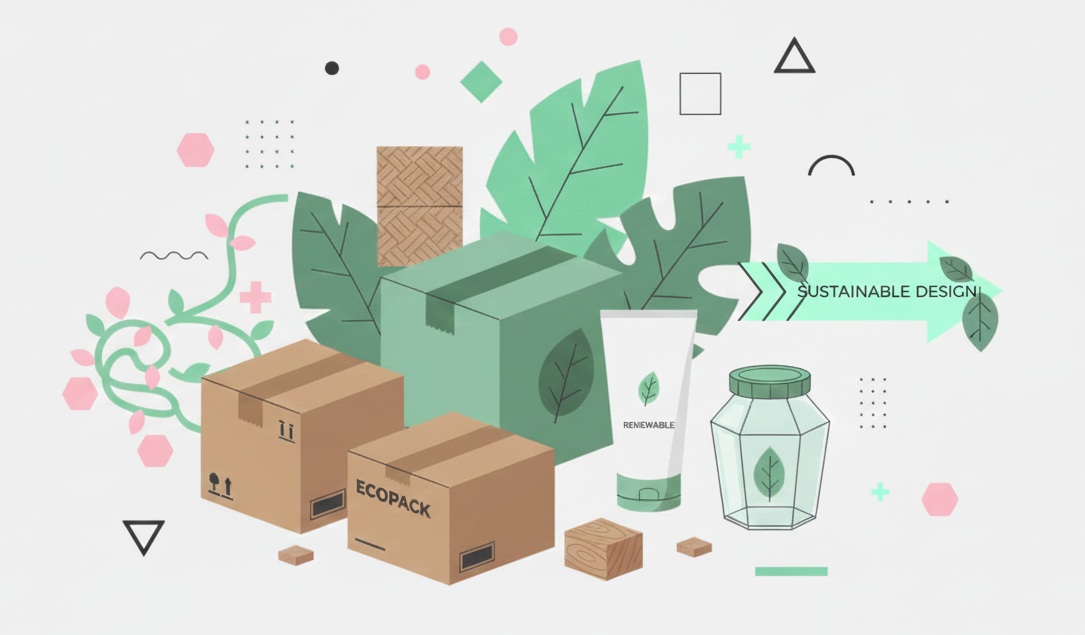
The Future of Packaging Design: Sustainability Meets Brand Identity
In an era where consumers increasingly scrutinize every purchase decision, packaging design has evolved from a mere protective container to a powerful brand statement. For businesses targeting conscious consumers, sustainable packaging isn't just an environmental choice – it's a strategic brand differentiator that communicates values and builds loyalty.
Who Is This For? (And Who It's Not For)
Let's be upfront: sustainable packaging isn't universally applicable. If you're manufacturing ultra-low-cost products for highly price-sensitive mass markets, premium sustainable materials may not be financially viable. In such cases, focus on design optimization – reducing excess and using conventional materials efficiently.
However, sustainable packaging makes strategic sense for premium and mid-range brands where packaging is part of the value proposition, direct-to-consumer brands targeting environmentally conscious customers, export-oriented businesses serving markets with stricter regulations, lifestyle and wellness products where values align with sustainability, and startups building their brand with sustainability as a core differentiator.
Material Innovation: The Designer's Palette
Today's sustainable packaging materials are remarkably diverse. Mushroom-based packaging biodegrades completely. Seaweed-derived films offer barrier properties without plastic. Bagasse provides sturdy alternatives. Recycled ocean plastic gives new life to waste. Plantable seed paper transforms packaging into gardens.
From a design perspective, these materials aren't limitations – they're opportunities. Just as you might recommend textured cotton paper for premium business cards, you can suggest materials that reinforce brand narratives. A skincare brand using plantable packaging reinforces their natural story. The material itself becomes part of the visual and tactile brand experience.
The Graphic Design Challenge
Eco-friendly materials often have specific limitations: reduced color vibrancy, limited printing techniques, texture variations, or moisture sensitivity. These constraints demand creative problem-solving.
Color and Contrast: When working with natural materials, high-contrast designs work better than subtle gradients. Bold typography becomes critical when photographic reproduction is limited.
Typography: Certain fonts that look elegant on glossy surfaces may lose legibility on textured materials. You need typefaces with strong character differentiation and adequate weight.
Print Techniques: Sustainable materials may require different approaches – soy-based inks, screen printing, or letterpress instead of traditional methods.
Texture as Design: Rather than fighting inherent texture, embrace it. The rough fiber of recycled paper, subtle variations in plant-based films – these become design features rather than flaws.
Design Thinking That Reduces Waste
Effective sustainable packaging doesn't require exotic materials. Thoughtful design itself reduces waste through efficient layouts that minimize printed area, single-color designs that reduce ink consumption while creating distinctive shelf presence, eliminating unnecessary elements like plastic windows, and creating multi-purpose packaging that serves a function after opening.
These approaches work regardless of budget and demonstrate how design thinking itself can be sustainable.
The Unboxing Experience Without Waste
The unboxing moment doesn't require layers of plastic. Sustainable packaging creates memorable experiences through tactile quality – the feel of natural materials creates sensory engagement, progressive reveal through structure rather than excess layers, integrated storytelling via minimal text or QR codes, and visual surprise using natural variations as a feature.
Premium doesn't mean excessive. The most luxurious brands globally are moving toward radical simplicity, letting product quality speak for itself.
Cost Considerations
Premium sustainable materials do cost more per unit. However, the value equation includes marketing value through organic social media content and brand loyalty, customer perception where sustainable packaging justifies premium pricing, regulatory future-proofing as plastic regulations tighten globally, and operational efficiencies from lighter packaging reducing shipping costs.
If your product sells primarily on price, expensive sustainable materials may be prohibitive. Focus on design optimization with conventional materials – reducing excess, improving efficiency, and communicating whatever sustainability steps you can take.
Implementation Steps
Assess your brand position to determine your sustainable packaging strategy. Start selectively with signature products or limited editions. Design for the material – celebrate unique properties rather than mimicking plastic. Communicate transparently about packaging choices. Be honest about your journey if making incremental improvements. Test thoroughly as sustainable materials may perform differently.